


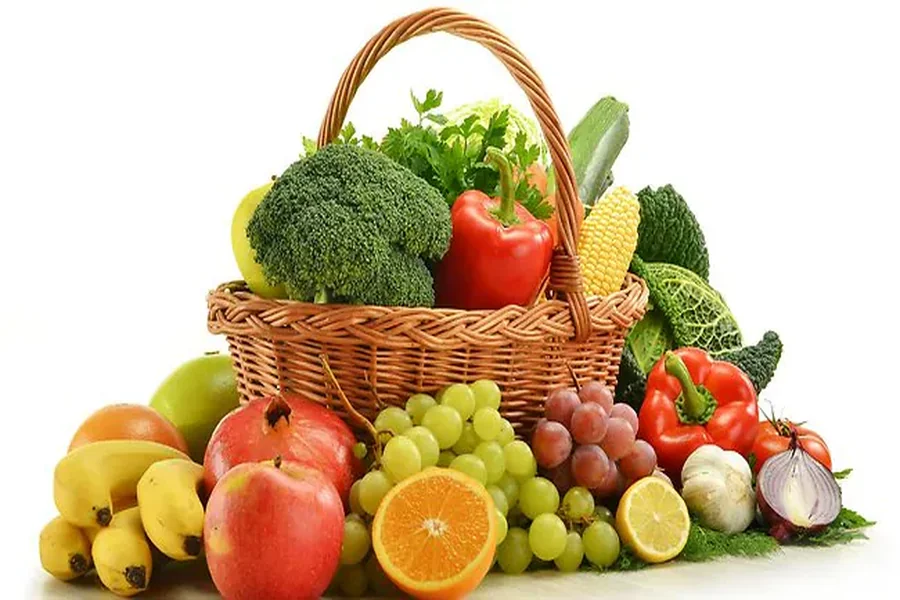
Food and Vegetable choices play a major role in building a healthy lifestyle. Every meal becomes more nutritious when fresh vegetables and wholesome foods are included. They provide vitamins minerals fiber and natural antioxidants that help the body stay active and strong. Whether you are preparing breakfast lunch or dinner adding more vegetables is one of the easiest ways to improve your diet.
Many people believe eating healthy is expensive or difficult. The truth is that simple seasonal vegetables and basic whole foods are often affordable and easy to prepare. Small changes such as adding spinach to breakfast or serving extra vegetables with dinner can make a noticeable difference over time.
In this guide you will learn why food and vegetables matter how to choose the best options how to store them properly and how to enjoy them every day.
Why Food and Vegetable Choices Matter
The human body depends on nutrients from natural foods to function properly. Vegetables contain essential vitamins such as vitamin A vitamin C and vitamin K. They also provide minerals including potassium magnesium and iron that support healthy muscles bones and the immune system.
Whole foods such as fruits vegetables whole grains legumes and lean proteins work together to provide balanced nutrition. Unlike highly processed meals these foods contain fewer unhealthy ingredients and more natural goodness.
Eating a variety of colorful vegetables also helps protect the body from long term health problems. Green leafy vegetables support bone health while orange vegetables provide beta carotene that benefits vision. Purple and red vegetables contain plant compounds that support heart health.
A balanced plate filled with different colors gives your body a wider range of nutrients every day.
Best Food and Vegetable Options for Daily Meals
Choosing healthy foods does not require complicated recipes. Focus on fresh seasonal produce and simple cooking methods.
Some of the best vegetables include:
- Spinach
- Broccoli
- Carrots
- Cabbage
- Tomatoes
- Bell peppers
- Cucumbers
- Sweet potatoes
- Cauliflower
- Green beans
Healthy foods that pair well with vegetables include:
- Brown rice
- Oats
- Whole grain bread
- Eggs
- Fish
- Chicken
- Lentils
- Beans
- Nuts
- Yogurt
A healthy breakfast could include eggs with spinach and whole grain toast. Lunch may consist of grilled chicken with mixed vegetables while dinner can feature brown rice steamed broccoli and fish.
Simple combinations like these provide energy without making meals complicated.
Easy Ways to Add More Vegetables to Your Diet
Many people struggle to eat enough vegetables because they believe preparing them takes too much time. Fortunately there are many easy solutions.
Keep washed vegetables ready inside your refrigerator. Having carrots cucumbers and peppers already sliced makes healthy snacking much easier.
Add vegetables to foods you already enjoy. Stir spinach into scrambled eggs mix grated carrots into soups or include mushrooms in pasta dishes.
Prepare colorful salads with fresh greens tomatoes cucumbers and beans. Homemade vegetable soups are another excellent option because they can be cooked in large batches and enjoyed throughout the week.
Roasting vegetables with a little olive oil also creates rich natural flavors without requiring unhealthy ingredients.
Smoothies provide another simple method. Blend spinach with bananas berries and yogurt for a nutritious drink that tastes refreshing.
These small habits gradually increase vegetable intake without feeling like a major lifestyle change.
Smart Shopping and Storage Tips
Buying fresh produce is only the first step. Proper storage helps vegetables stay fresh longer while reducing food waste.
Choose vegetables that look bright firm and free from soft spots. Seasonal produce usually offers better flavor and better value.
Store leafy greens in the refrigerator after drying excess moisture. Root vegetables such as potatoes onions and garlic should remain in cool dry locations away from direct sunlight.
Avoid washing vegetables until you are ready to use them because extra moisture may shorten freshness.
Frozen vegetables are also an excellent choice. They are harvested at peak freshness and retain much of their nutritional value. Keeping frozen vegetables available makes healthy cooking easier during busy weeks.
Planning meals before shopping also helps prevent unnecessary purchases and reduces waste.
Common Mistakes People Make With Food and Vegetable Choices
Many healthy eating plans fail because of avoidable mistakes.
One common mistake is relying heavily on processed foods while eating very few fresh vegetables. Convenience foods often contain added salt sugar and unhealthy fats.
Another mistake is overcooking vegetables. Boiling vegetables for too long can reduce certain vitamins. Steaming roasting or lightly stir frying often preserves more nutrients.
Skipping breakfast is another habit that reduces daily nutrition. Starting the day with healthy foods creates better eating habits throughout the day.
Some people also believe one vegetable provides everything the body needs. In reality eating different vegetables throughout the week supplies a broader variety of nutrients.
Finally many people purchase more fresh produce than they can use. Buying realistic amounts saves money and reduces food waste.
Building Healthy Food and Vegetable Habits for Life
Healthy eating does not require perfection. Consistency matters much more than following strict diets.
Begin with one or two simple improvements each week. Add one extra vegetable to dinner or replace sugary snacks with fresh vegetables and hummus.
Encourage family members to help prepare meals. Children are often more willing to eat vegetables when they participate in washing cutting or arranging colorful ingredients.
Drinking enough water eating balanced portions and limiting processed foods also strengthen healthy habits.
Remember that every healthy choice adds up over time. A nutritious lifestyle develops through small daily decisions rather than dramatic changes.
Final Thought
Food and Vegetable choices influence your health every single day. Fresh vegetables whole foods and balanced meals provide the nutrients your body needs for energy growth and long term wellness.
Healthy eating does not need expensive ingredients or difficult recipes. Choosing colorful vegetables preparing simple meals and creating consistent habits can improve your overall quality of life.
Start with small changes today and build a healthier future one meal at a time.
FAQs About Food and Vegetable
Why are food and vegetables important for health?
They provide vitamins minerals fiber and antioxidants that support immunity digestion heart health and overall wellness.
How many vegetables should I eat every day?
Most adults benefit from eating several servings of vegetables daily along with fruits whole grains and lean proteins.
Are frozen vegetables healthy?
Yes. Frozen vegetables retain most of their nutrients and are a convenient option when fresh vegetables are unavailable.
What is the healthiest cooking method for vegetables?
Steaming roasting and light stir frying usually preserve more nutrients than prolonged boiling.
Can vegetables help with weight management?
Yes. Most vegetables are naturally low in calories while being rich in fiber which helps you feel full longer.
How can I encourage children to eat more vegetables?
Offer colorful vegetables regularly involve children in meal preparation and serve vegetables in creative ways alongside foods they already enjoy.
